01Lesbian AI art · 18+
Lesbian AI art: what makes a render land instead of pose
Three details do most of the work in a sapphic frame — the distance between two people, the hour of the day, and who is looking at whom. Everything below is about getting those right on the first render.
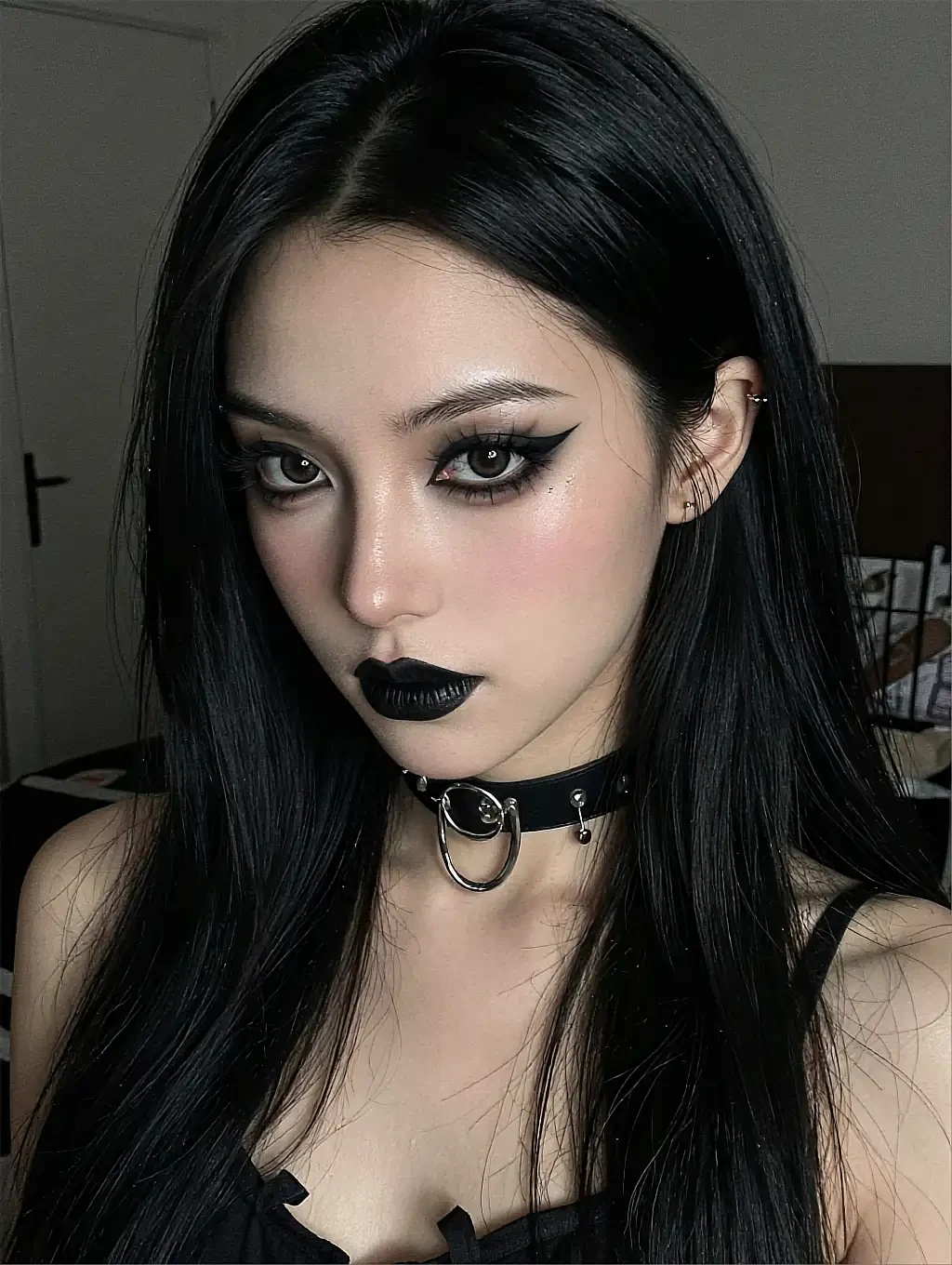
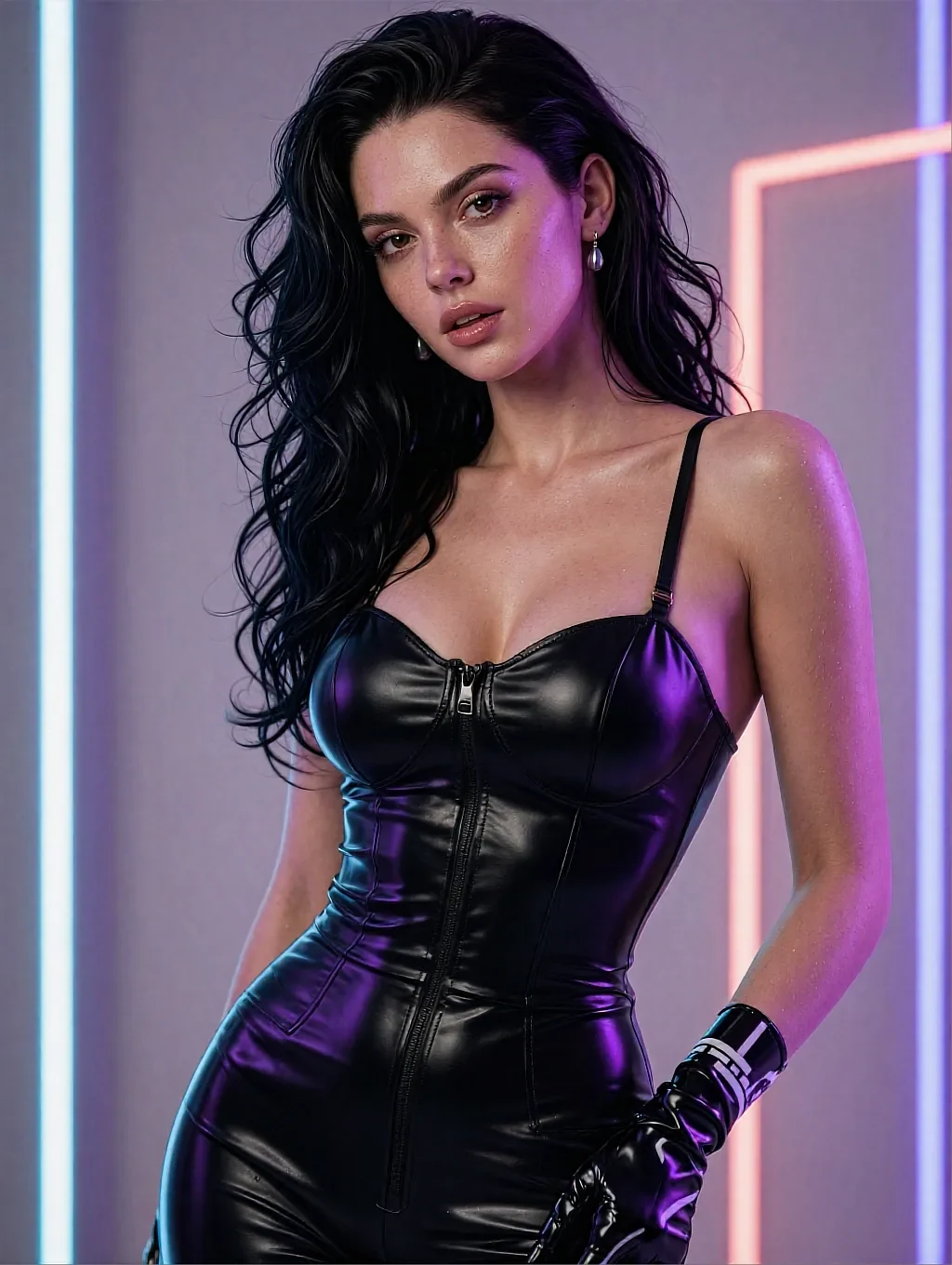
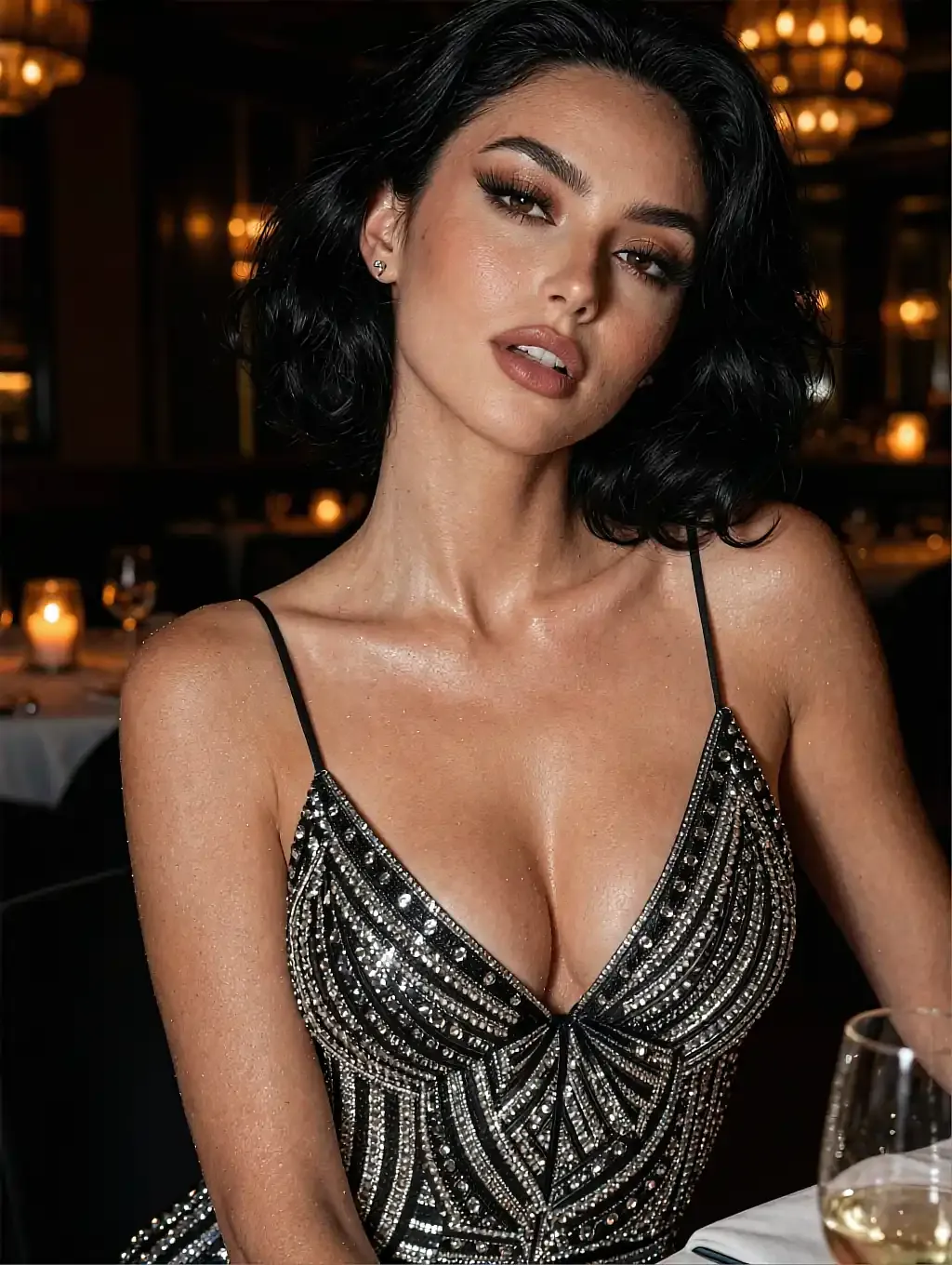
Fictional AI characters, written and drawn as adults. Nobody here is a real person.
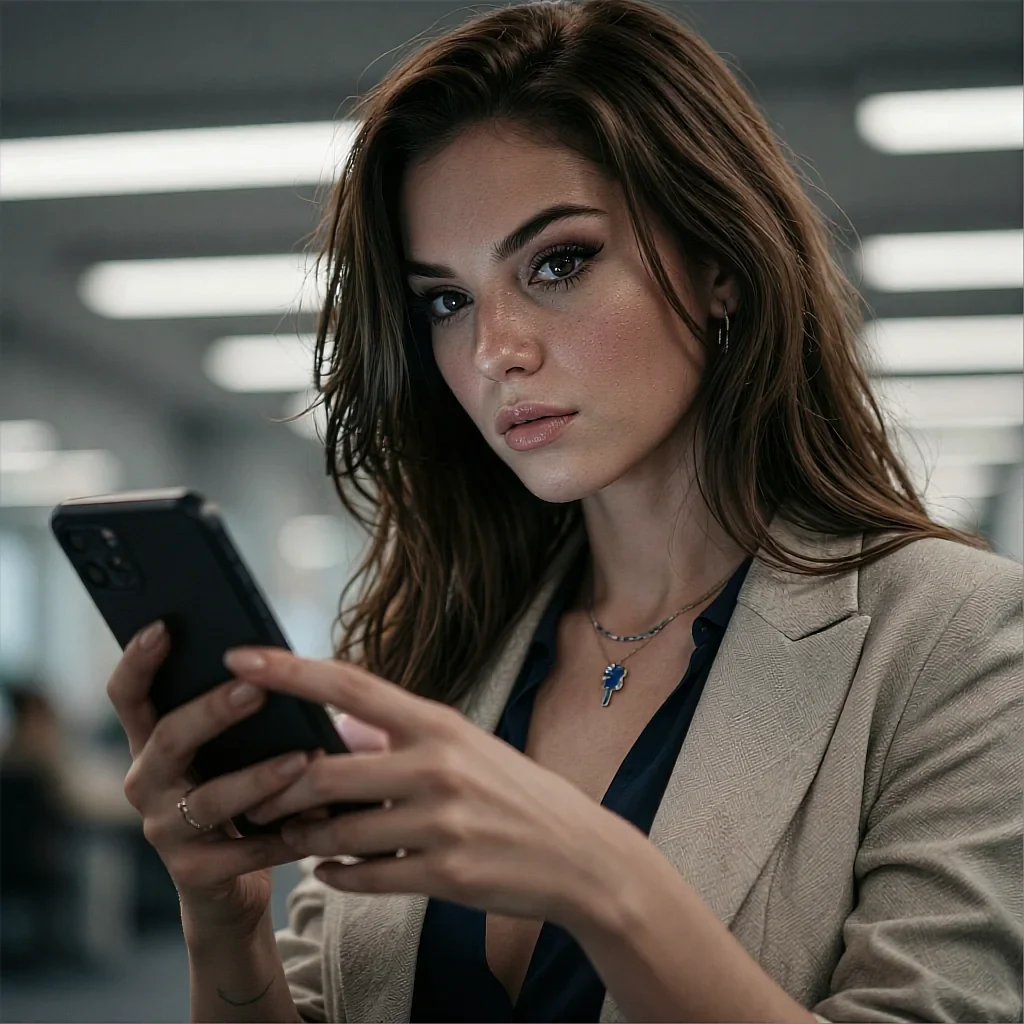
Prompt
her hand on the window frame, last light, nobody else in the room
- StyleSoft oilInk lineFilm
- PoseCloseTurned awayTwo of them
- LightGolden hourOne lampOvercast
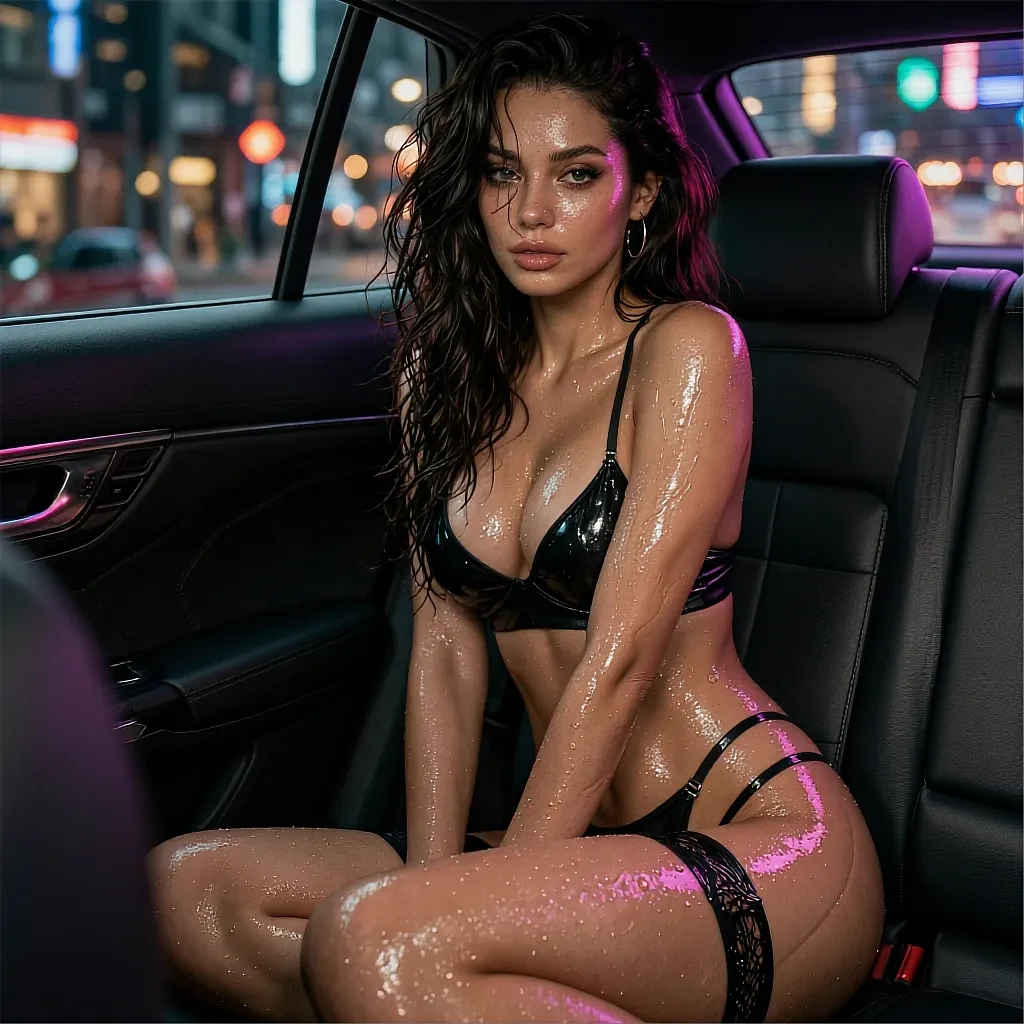
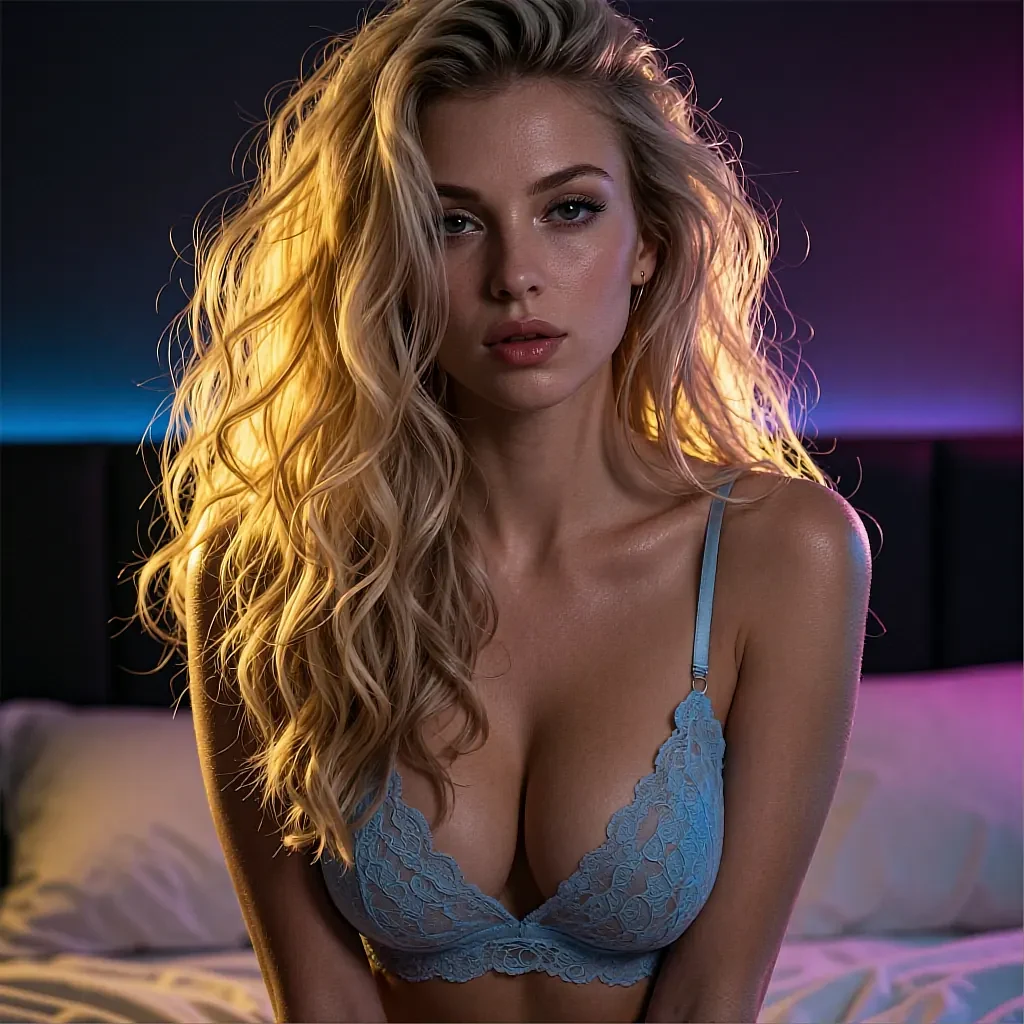
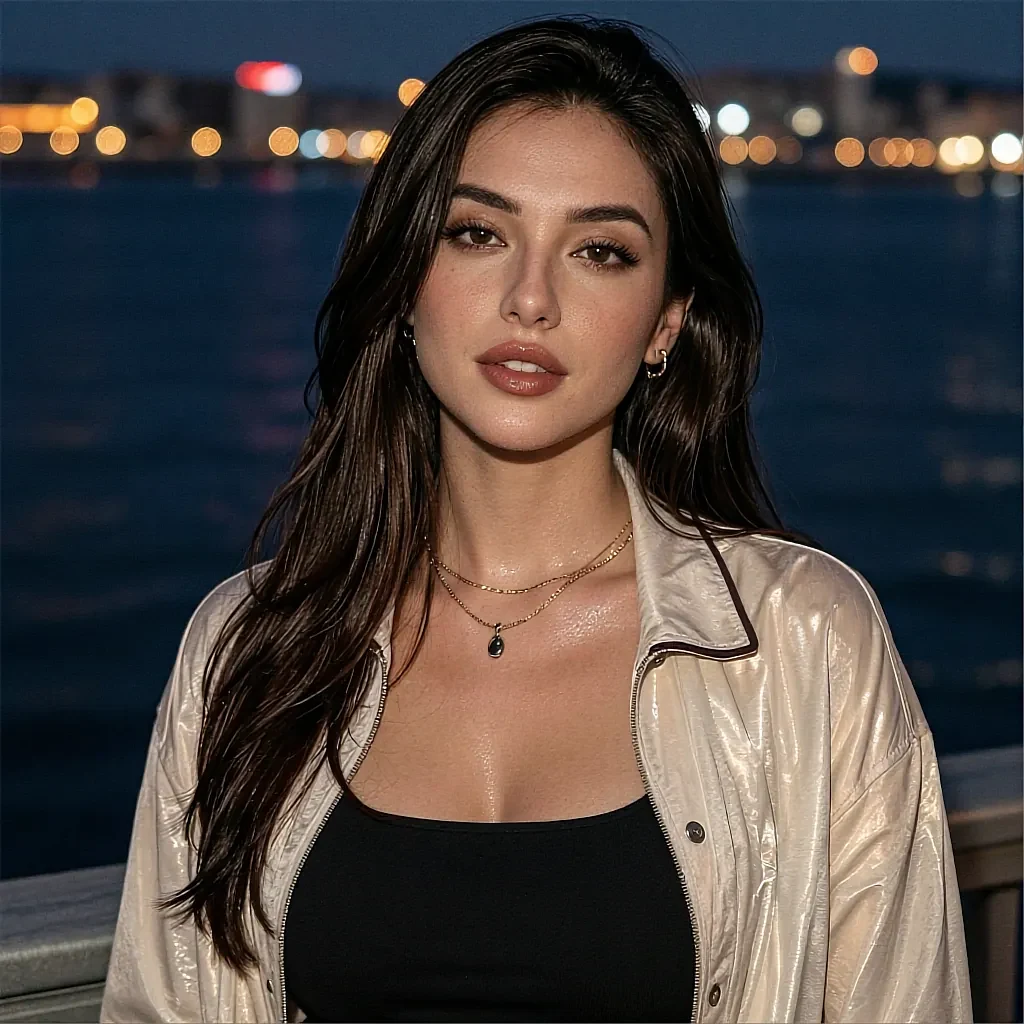
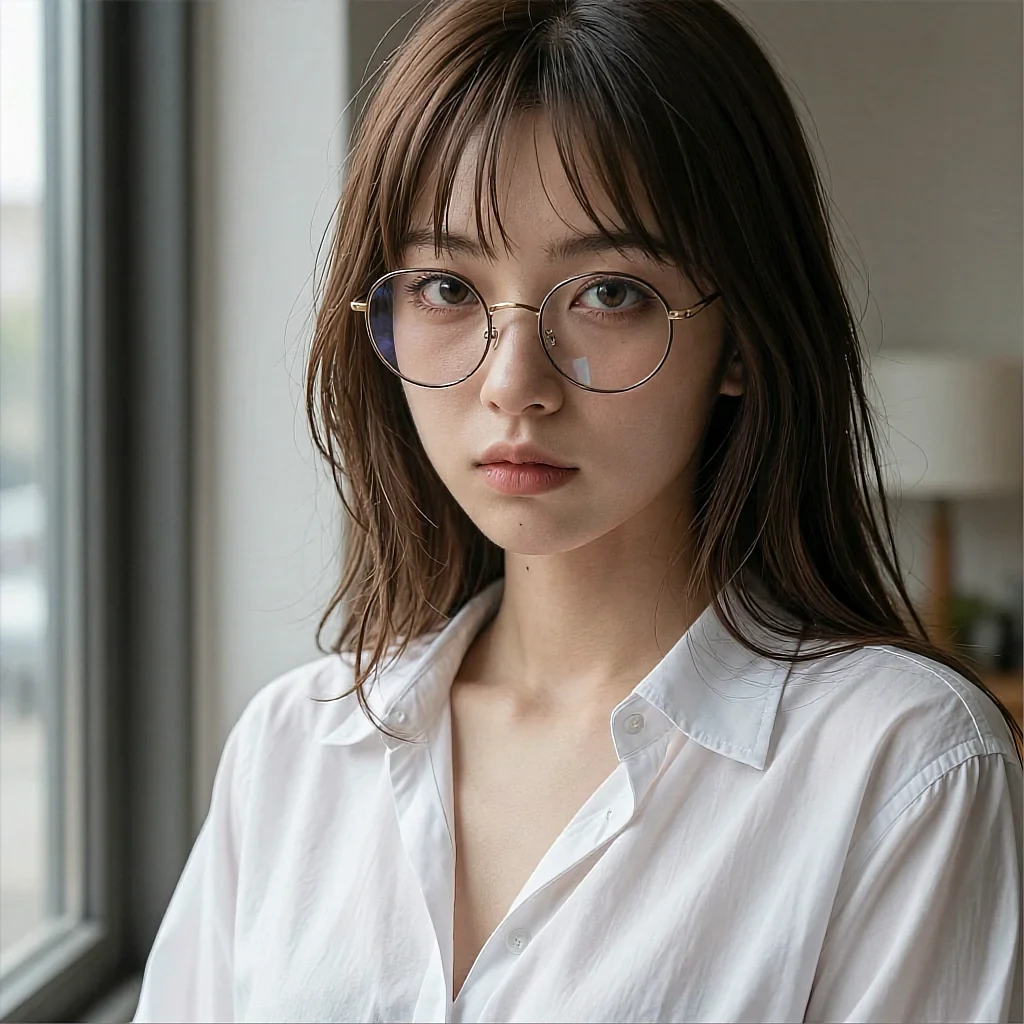
This set
- Prompt as a sentence
- Same face across a set
- Private gallery
- 18+
02The detail
Three details decide the frame, and the rest is decoration
Most disappointing renders are not a model problem. They are a prompt that described bodies and forgot to describe a moment.
Start with distance. Lesbian AI art reads as tender or as staged almost entirely on how close two people are and what is between them — a coat, a counter, half a metre of nothing. Name it and the composition arranges itself around it; leave it out and you get the generic arm's-length pose every general-purpose generator falls back to.
Then the hour. Late window light, one lamp, and flat overcast daylight are three completely different rooms, and each one changes what the scene appears to be about. Naming the hour is faster than naming a mood, because the render already knows what a room looks like at that time.
Last, the line of sight. Two faces turned toward the viewer is a photograph of a performance. Two faces turned toward each other is a private moment that the viewer happens to be in front of. That single instruction changes more than any style setting on the page.
What works well
- Plain sentences work better here than strings of tags
- Naming an hour of day is worth more than naming a mood
- One muse stays recognisable across a whole run of frames
- Style, pose and light adjust without redrawing the rest
- Free to start, with nothing to install
Worth knowing first
- Every muse is a fictional AI character, not a real person
- Very long prompts get simplified — three details beat ten
- Higher resolution output is an optional upgrade
- Strictly 18+, with an age notice before anything loads
03On this page
The same instruction, three different hours
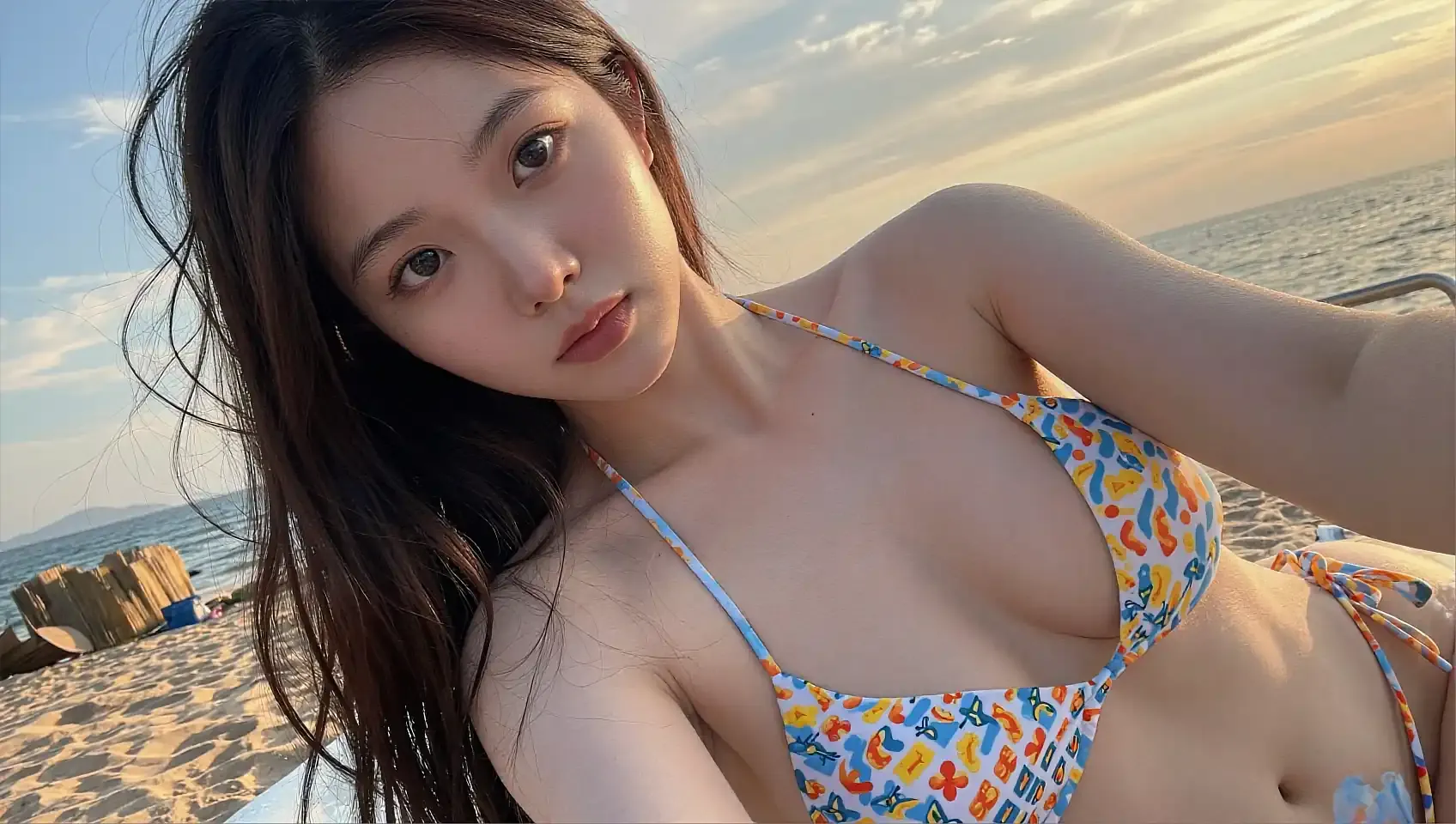
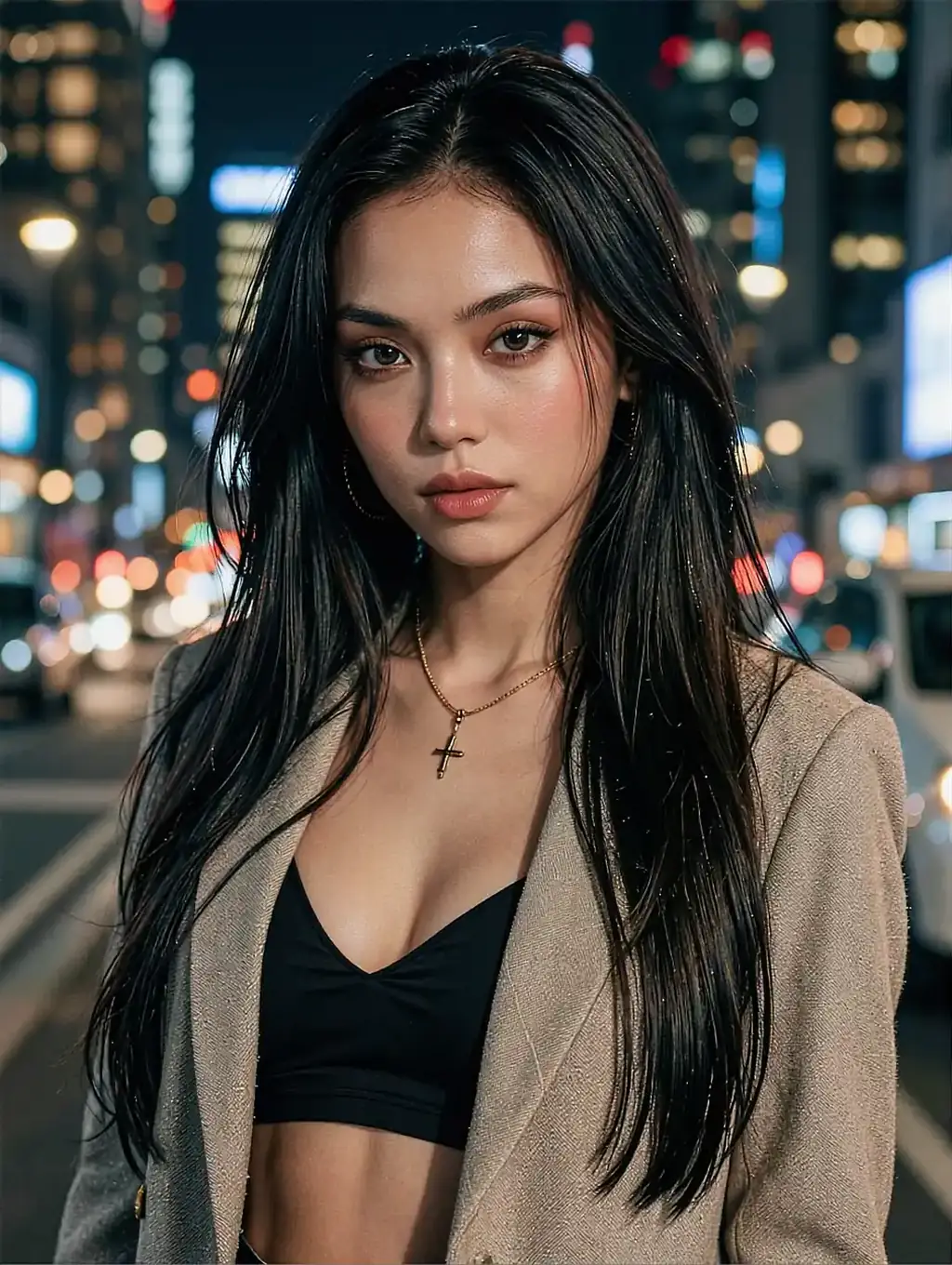
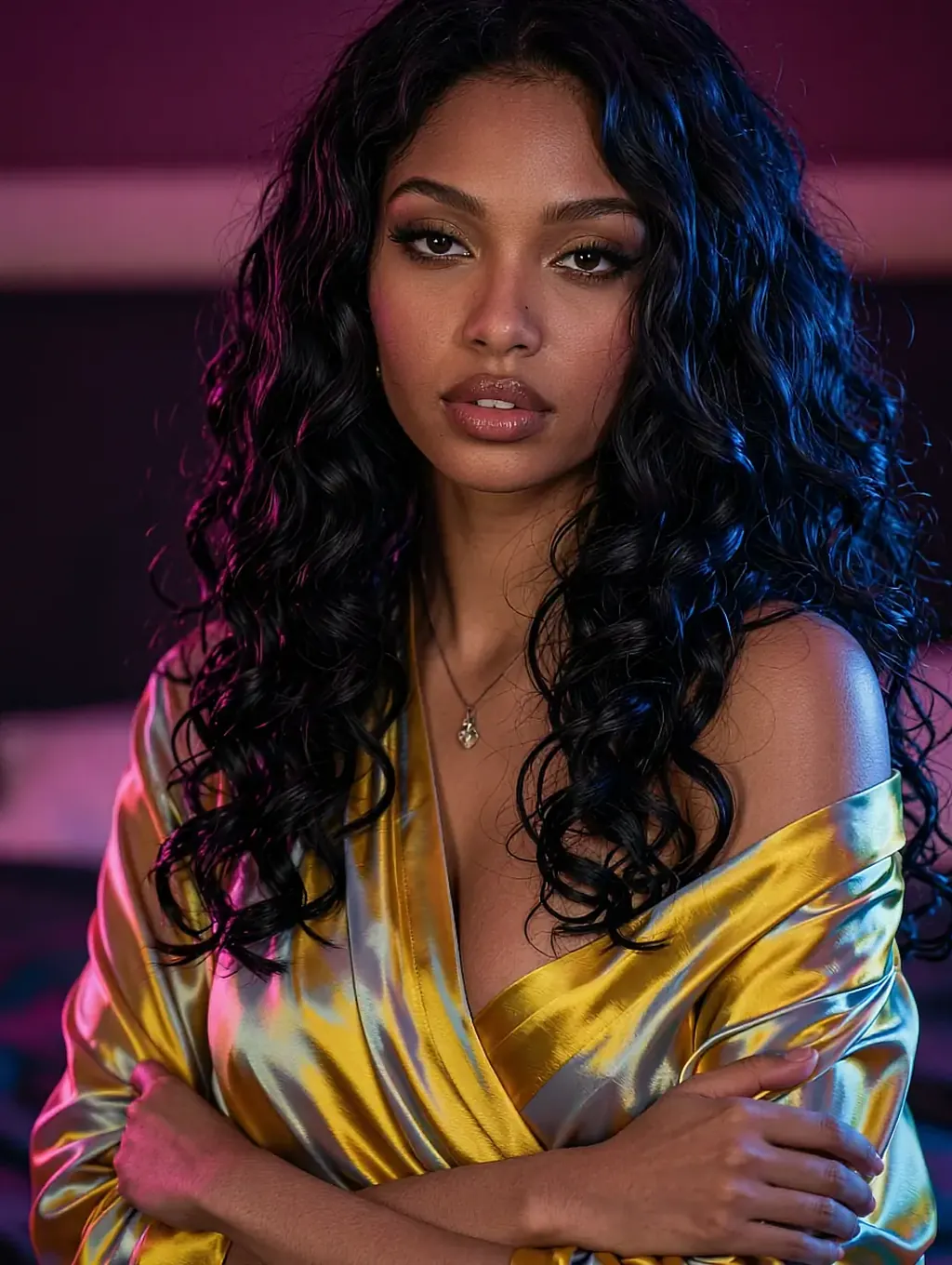
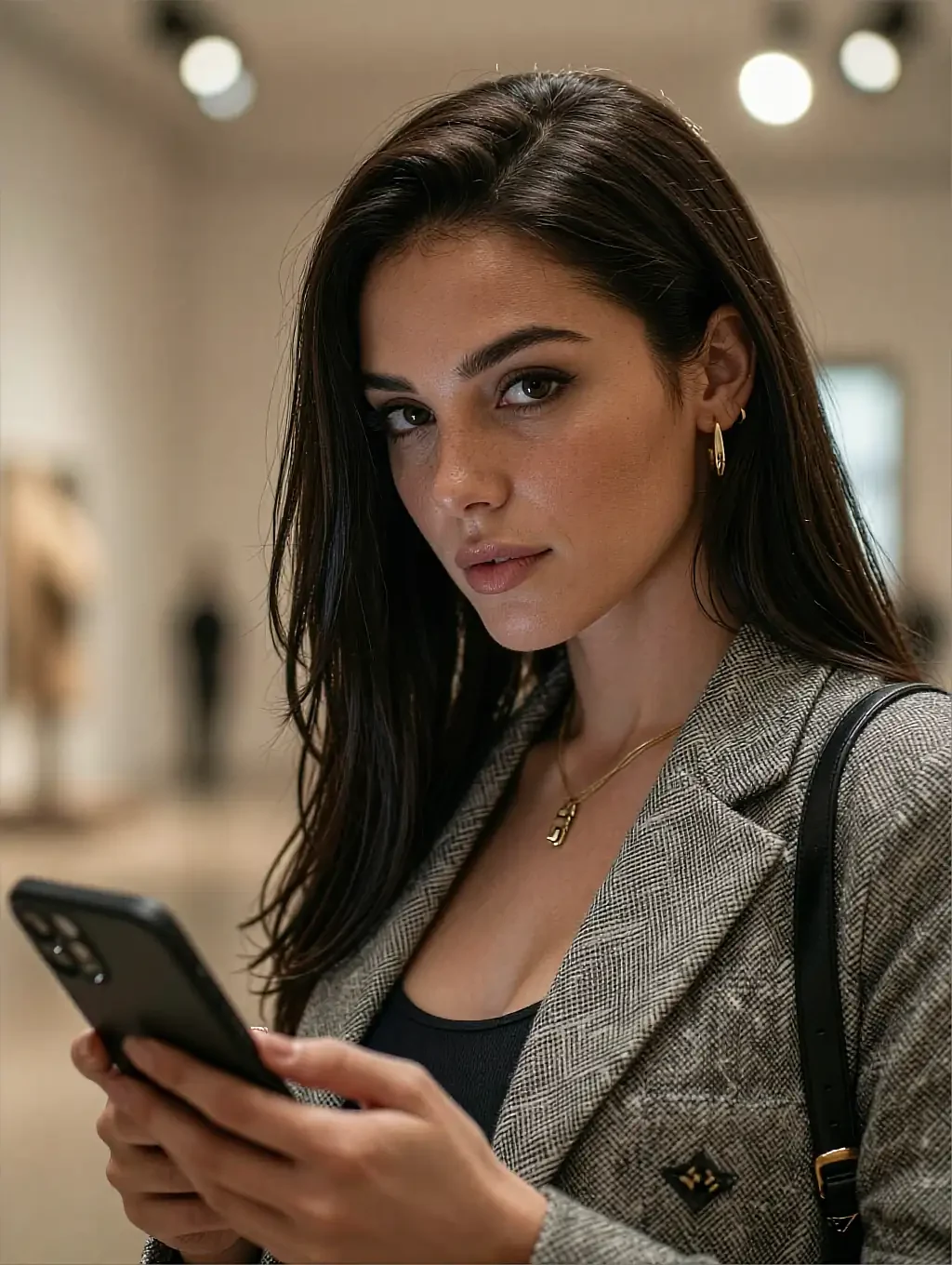
One muse, one pose, three lighting prompts — the clearest demonstration that light is doing the storytelling.
Two of them by the window, last hour of daylight.
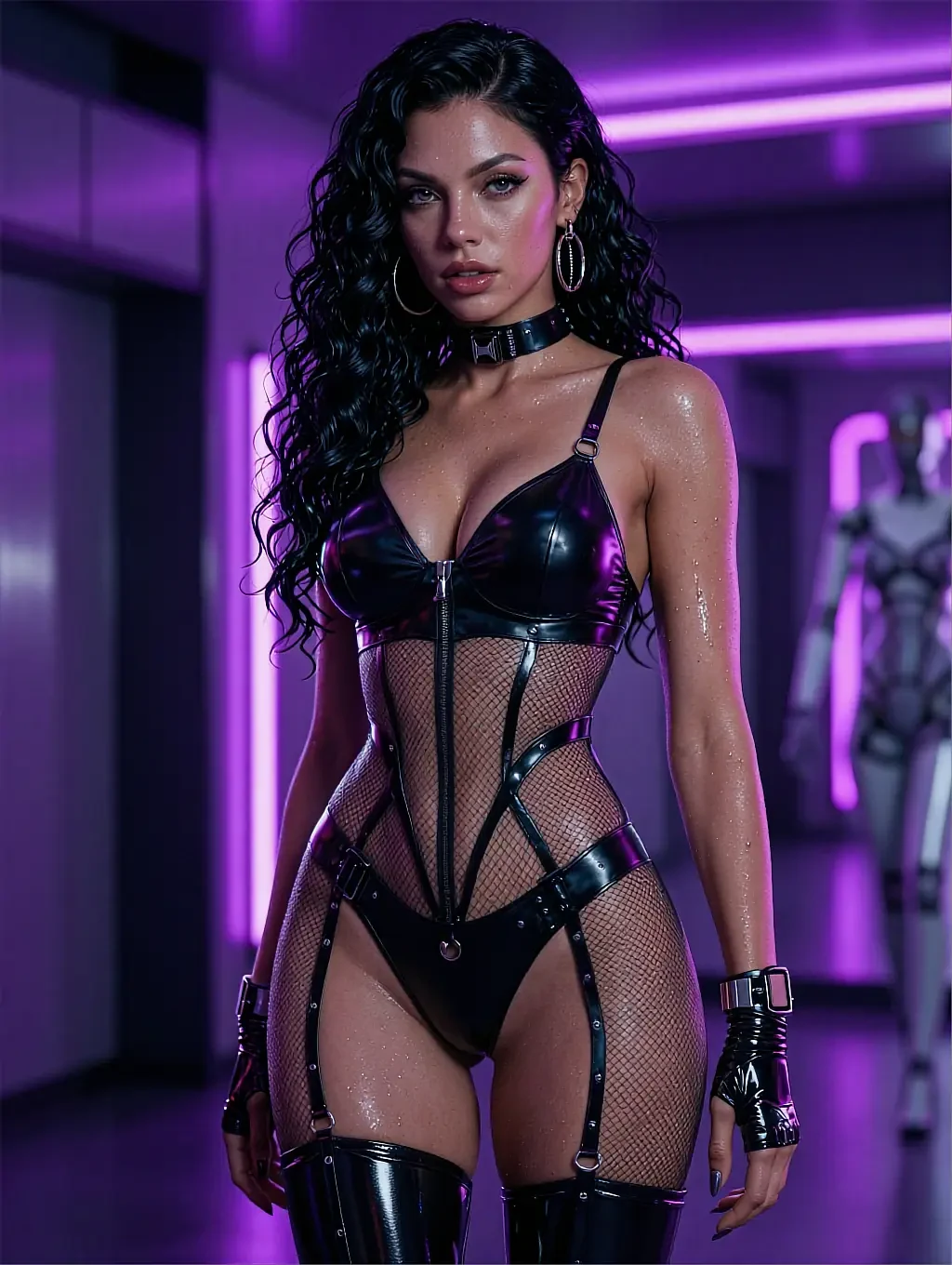
The same closeness under one warm lamp instead.
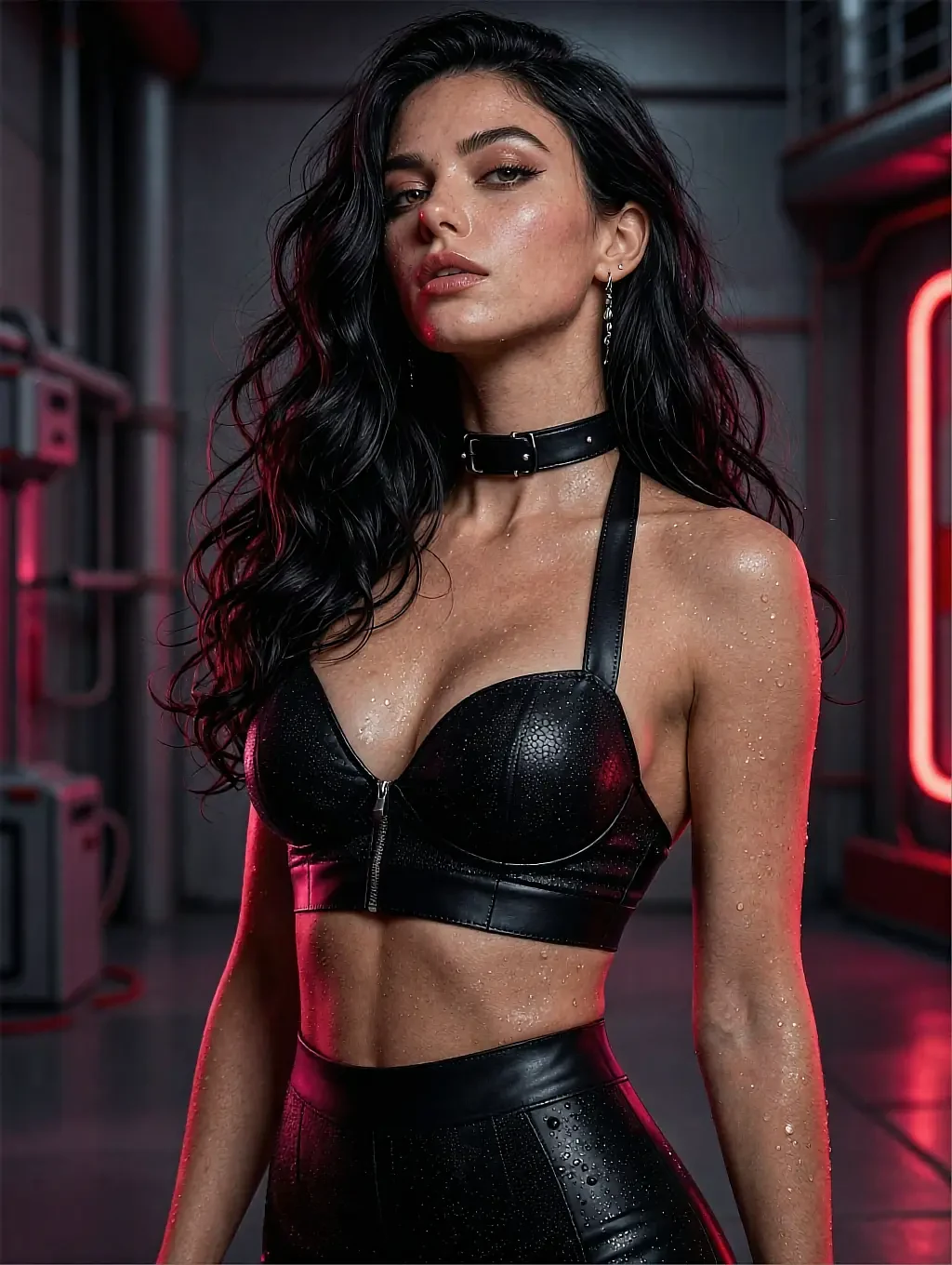
Outdoors at dusk, where the light stops flattering and starts telling the truth.
04In practice
What a session actually looks like
You open the wall, pick a face you want to keep, and type one sentence. The first frame comes back in seconds, and it is usually close but wrong in one specific way — the distance is off, or the light is too clean. You change that one thing and render again.
Four or five passes in, you have a set rather than a picture, and because the same muse carries between renders the set reads as one person on one evening. That is the point at which this stops being a novelty and starts being useful for a comic panel, a mood board, or a wall of your own.
05Quick answers
Lesbian AI art — quick answers
01What makes lesbian AI art different from any other AI portrait?
02How long should a prompt be?
03Can I render two women in the same frame?
04Will the same character look the same tomorrow?
05Does it cost anything to try?
06Keep reading
Four rooms in the same gallery
Each page answers a different question about making sapphic art with a generator.
07Start now
Write one honest sentence and see what comes back
Pick a muse, name the light and the distance, and the first canvas is on your wall in seconds. Free to start, nothing to install.